Magnesium has surged in popularity in recent years, becoming a go-to supplement for many looking to improve their health. But what’s behind this trend, and are there potential risks that should make you think twice before adding magnesium to your daily routine?
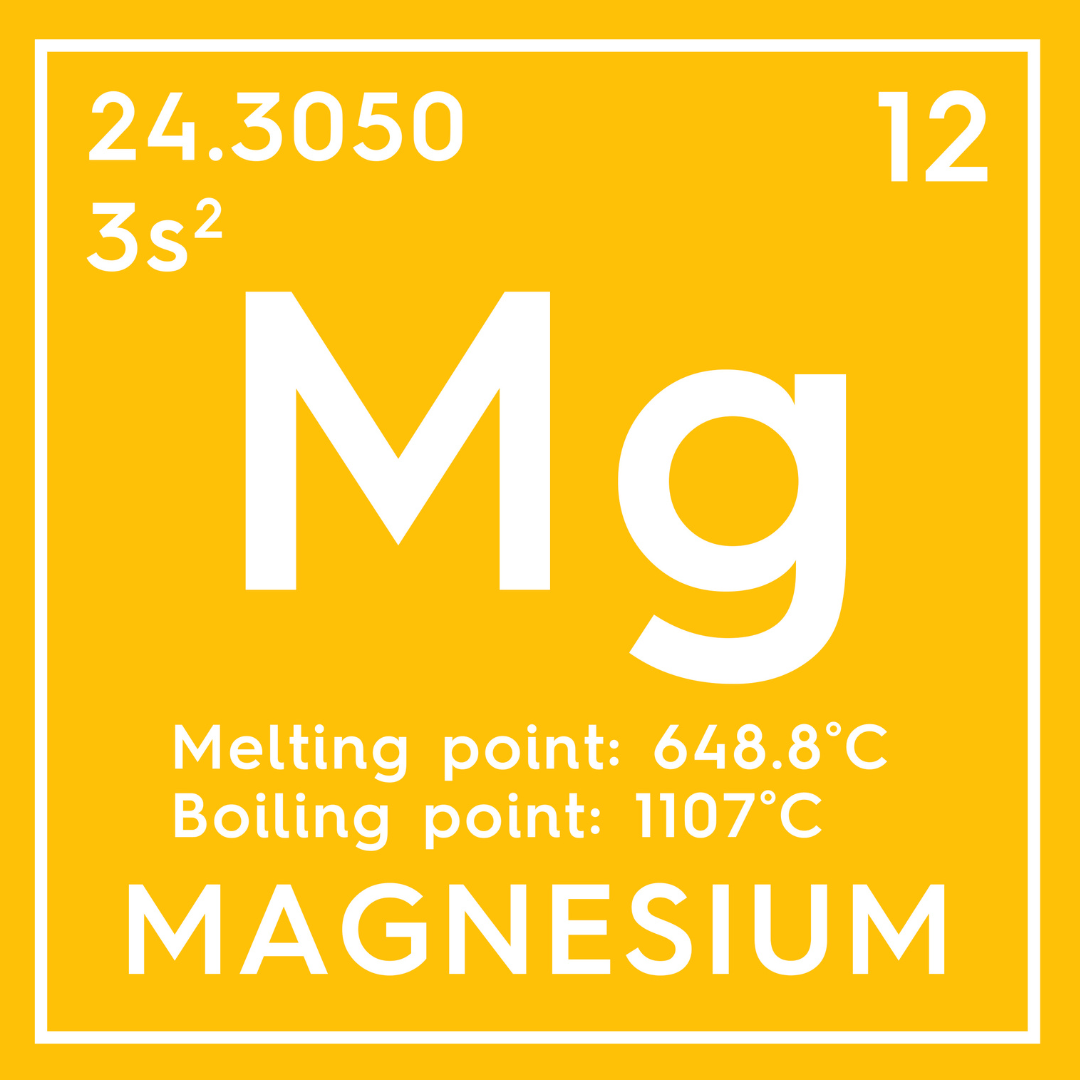
Magnesium is much more than just a metal you learned about in chemistry class. It’s an essential mineral that plays a key role in over 300 biochemical reactions in the body. Essentially, magnesium helps keep our bodily functions running smoothly. Despite its importance, many people don’t get enough magnesium from their diet, which is why supplements have become so popular. Natural sources of magnesium include green leafy vegetables, nuts, seeds, and whole grains. However, with the prevalence of processed foods, many diets fall short, making supplementation a convenient solution.
Not all magnesium supplements are created equal, and different types are better suited for different health needs:
Magnesium Citrate: This type is easily absorbed by the body and is commonly used to relieve constipation. It’s also popular for its calming effects and is often recommended for improving sleep and reducing anxiety.
Magnesium Glycinate: Known for its high bioavailability, magnesium glycinate is less likely to cause digestive discomfort. It’s often chosen for its potential benefits in managing anxiety, promoting relaxation, and aiding sleep.
Magnesium Oxide: This form contains a high amount of elemental magnesium but is less bioavailable, meaning it’s not as easily absorbed. It is often used as a laxative or to relieve heartburn.
Magnesium Malate: This type is believed to be helpful for muscle pain and is often used by people suffering from conditions like fibromyalgia or chronic fatigue syndrome.
Magnesium Threonate: This form is known for its ability to cross the blood-brain barrier, making it potentially beneficial for cognitive function and brain health.
Magnesium Chloride: Often used in topical treatments, this type is thought to be good for muscle recovery and skin health.
The growing interest in magnesium supplements seems to be driven by their wide range of health benefits. Advocates claim that magnesium can improve sleep, reduce stress, alleviate muscle cramps, and help manage conditions like migraines and anxiety. Some studies support these claims, suggesting that adequate magnesium levels can enhance brain function, promote relaxation, and reduce the risk of certain chronic conditions, including heart disease and osteoporosis.
For many, the appeal lies in magnesium’s versatility; it offers multiple benefits in one supplement, making it an attractive option for those looking to address various health and wellness concerns simultaneously.
As with any supplement, moderation and caution are key. While magnesium is crucial for health, taking too much can lead to adverse effects. Common side effects of excessive magnesium intake include nausea, diarrhea, and stomach cramps. In extreme cases, magnesium overdose can cause severe symptoms such as low blood pressure, muscle weakness, and even life-threatening conditions. Magnesium supplements can also interact with certain medications. Whether or not you should take magnesium supplements depends on your individual needs. If you’re experiencing symptoms of magnesium deficiency—such as muscle cramps, fatigue, or irregular heart rhythms—or if you have a condition that puts you at risk of deficiency, a supplement could be beneficial.
It’s crucial not to self-diagnose. Always seek advice from a healthcare professional who can recommend the appropriate dosage and type of magnesium for your specific situation. For those without a clear need, focusing on getting magnesium naturally through your diet might be the better option. Not only will you avoid potential side effects, but you’ll also benefit from a variety of other essential nutrients that come from whole foods.
Understanding the different types and their specific uses, as well as being mindful of the potential risks, is key to making an informed decision about whether magnesium supplements are right for you.