3 September 2025

The Art of Doing Less: Your Guide to Embracing Slow Living

Share Story With
discover your style

SortByStyle guide to the less is more and more is less culture

In a world that equates busyness with success, a quiet rebellion is taking hold. Slow living is the new aspirational aesthetic, not of idleness, but of intentionality—a conscious decision to reclaim your time, energy, and attention. The “slow” philosophy, which began in Rome in 1986 as a protest against fast-food culture, has expanded into a global movement. The founder, Carlo Petrini, and his supporters at slow food advocated for savouring meals and social connection, a mindset that now extends to every aspect of modern life.

The slow living movement is a direct contradiction to the hustle culture of the 1980s and early 2000s because it fundamentally rejects the values that defined that era. The “hustle lifestyle” was a period of glorifying constant work, competition, and material acquisition. Slow living, in contrast, champions mindfulness, intention, and well-being over relentless productivity and has shown to be more productive by preventing burn out.

The Philosophy of "Less is More"

At its core, slow living is an antidote to the “hustle culture” that dominates our lives. It’s about shifting from a mindset of “more is more” to embracing a simple, yet profound truth: less is more. As author Carl Honoré, a leading voice in the movement, puts it, the goal is “to do everything at the right speed.” It’s not about being less ambitious, but about being more mindful and present. By giving your full attention to one task at a time, you can often achieve better results in less time, freeing up space for what truly matters. This shift encourages a deeper sense of contentment, as you learn to appreciate what you have rather than constantly chasing the next thing.
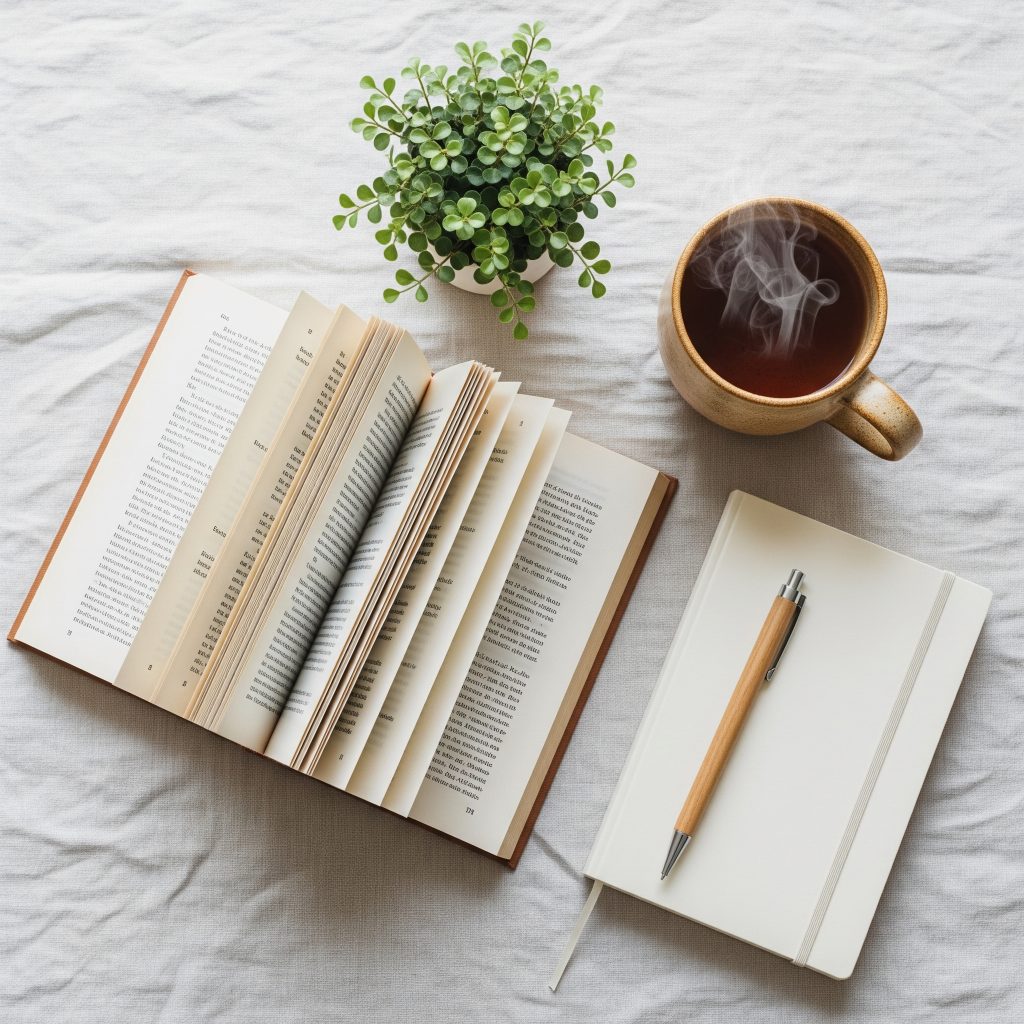
Your Toolkit for Slowful Living

Embracing a slow lifestyle doesn’t require a complete overhaul; it’s about making small, intentional adjustments. Here are some simple yet powerful tools to help you get started:

  • The Power of the “To-Done” List: For many, the traditional to-do list is a source of endless anxiety, a constant reminder of everything left undone. But what if you flipped that mindset? Instead of a tool for relentless pressure, a list can be a powerful testament to your accomplishments. Try creating a “to-done” list, where you write down tasks as you complete them. As you tick off each item, from sending an important email to making a cup of tea – you’ll build a tangible record of your productivity and reinforce a sense of achievement.
  • The Three-Things Rule: Overwhelmed by your to-do list? At the start of each day, commit to accomplishing just three important tasks. This keeps you from feeling overwhelmed and ensures you make meaningful progress without the pressure of a dozen other items.
  • Embrace the Pomodoro Technique: A slow-living approach to productivity, the Pomodoro Technique involves working in focused, 25-minute intervals with short breaks in between. This prevents burnout and encourages deep, single-task focus, proving that mindful work is often the most effective.
  • Practise Slow Tech: Your digital life can be as fast-paced as your physical one. Be intentional with your screen time. Set specific times to check social media or emails, and make certain hours, like evenings or mealtimes completely phone-free.

Mindful Living, From Wardrobe to Workspace

The slow philosophy can transform every area of your life, making daily routines more meaningful.

Thoughtful Movement

This isn’t about gruelling gym sessions, but about building calm into your day. A simple, practical step is to get up 15 minutes earlier to avoid rushing for the train or bus. This gives you time to walk a little further to your destination in a calm, unhurried manner, allowing you to be present and start your day with a sense of peace rather than stress. Even a short, mindful walk can be a powerful ritual.

Slow Fashion

This aspect of the movement rejects fast fashion’s disposable trends and overconsumption.1 Instead, it’s about a well-thought-out approach to your wardrobe. A practical way to achieve this is by creating a capsule wardrobe of versatile, high-quality items. By planning your outfits in advance, you not only reduce morning stress but also curb impulse purchases. This leads to a closet filled with clothes you love and that make you feel good, rather than a mountain of unworn items. Check our article on a capsule wardrobe for more details.

Mindful Consumption

This leads naturally into mindful consumption, where you apply the same intentionality to everything you bring into your life. It’s about being a curator of your experiences. For instance, instead of mindlessly eating at your desk, take a proper break to savour a home-cooked meal. Rather than passively watching a binge-worthy series, choose a film or a documentary you truly want to engage with.

Slow Living in a Fast-Paced World

You don’t need to quit your job and move to the countryside to embrace this lifestyle. Even in a bustling city like London, a slow life is within reach.

  • Create “Slow” Moments: Start your day with a calm routine. Instead of immediately checking your phone, have a cup of tea by the window and simply observe.
  • Embrace the “Local”: Explore your local area as if you were a tourist. Visit a local farmers’ market, browse a small independent bookshop like Daunt Books, or find a quiet corner in a community garden.
  • Making a Living: Many slow living advocates prove that you can be successful without burning out. The key is to find a career that aligns with your values and allows for flexibility. The goal isn’t to work less, but to work more intentionally and sustainably. You can find fulfilment by focusing on projects that are meaningful to you, rather than just chasing a paycheck.

In essence, slow living offers a powerful and practical framework for living a richer, more meaningful life. It’s not about being less ambitious; it’s about sorting your life by style, with intention and purpose. By slowing down, you give yourself the greatest luxury of all: a life of your own design.

If you would like to read more about the subject here’s a list of books to give you a head start.

  • The Psychology of Slow Living by Elliot Cohen: This book explores the mental and emotional benefits of slowing down. It delves into how to combat modern life’s “pathological pace” and the associated stress and exhaustion. It draws on wisdom traditions like Hinduism and Buddhism to help readers achieve a more “humane pace of life”.
  • Slow Living: The Secrets to Slowing Down and Noticing the Simple Joys Anywhere by Helena Woods: Written by the creator of the popular YouTube channel Simple Joys, this book provides inspiration and guidance for creating a simple living environment regardless of where you are. It covers topics from creating calming routines to simplifying your home and life for mental clarity.
  • A Year of Living Simply: The Joys of a Life Less Complicated by Kate Humble: This book details a stripped-back approach to life and is designed to help readers find balance and happiness in their everyday lives. It is an uplifting and engaging read.
  • The Gentle Art of Swedish Death Cleaning by Margareta Magnusson: While primarily a book about decluttering, it’s also about focusing on what’s truly important in life. The concept of “döstäding” or “death cleaning” encourages you to remove unnecessary possessions and get your home in order to make your loved ones’ lives easier.
  • Wintering: The Power of Rest and Retreat in Difficult Times by Katherine May: This book explores the value of embracing a slower pace during difficult or fallow times in life. It’s about finding rest and solitude, and has become a very popular read within the slow living community.

Just taking a moment before we move on to capsule wardrobe styles.